How one state turned officer hours into 13 positions of capacity
A short-staffed state counted the time its officers got back, did the math for every office, and paid for the rollout with jobs it couldn't fill.
A state corrections department found about 24,000 hours of officer time a year, roughly 13 officers' worth, without hiring anyone. Then it paid for the rollout with money it was already budgeting for jobs nobody would take.
Here's how it got there, and how you could run the same math.
The department couldn't fill the jobs it had
It had about 30 officer positions open. They were budgeted and posted, and they stayed empty. Everyone still on the roster was covering part of that gap.
Asking for more positions wasn't going to help when it couldn't fill the ones it had. So the department asked a different question: how much time could its current officers get back?
The pilot counted work, not feelings
The department ran RePath in a handful of offices for 15 weeks. It didn't survey officers about whether they felt less busy. It counted the work the app took off their plates and put a time on each task:
- check-ins that came in on the phone instead of at the front desk or on a paper form
- court and appointment reminders that went out on their own
- messages that replaced phone tag
- visit notes that Visit Assist drafted from the recording
That added up to 765 officer hours in 15 weeks. The method was simple enough for finance to check, and finance signed off.
The money was already in the budget
The department applied the pilot's rate to every office in the state and turned the hours into positions at its own salary rate. Then it put that capacity next to the jobs it couldn't fill. The vacant positions were already funded, and the money wasn't buying anything.
The time officers got back fit inside the jobs nobody would take
13 of 30open positions matched by capacity from the hours officers got back
So it eliminated some of the vacant positions and moved that salary line into a three-year statewide contract covering 129 officers and up to 6,000 people on supervision. It didn't need new money. The jobs it couldn't fill were already paying for it.
Capacity, not cuts
Nobody got laid off, and no officer's job went to an app. The hours went back into officers' weeks, and the director decided where they went: more time with the people on the caseload, and covering work the empty desks were supposed to handle.
That framing is what got it approved. "This software saves salaries" starts an argument about headcount. "We measured the time, and it's less than the vacancies we already carry" is a budget-neutral request. It held up in the department's own review.
Officers asked to keep it
Before the pilot, one in five officers weren't confident their own case notes were accurate. Afterward, Visit Assist was the feature they valued most, with messaging second. One officer said it helped her lower her stress and leave work on time.
"I will probably quit my job if our department decides not to continue RePath. That's how much I love the Visit Assist."
People moved to the app within weeks
When the biggest office went live, the share of people checking in on the app more than doubled in two weeks. One officer pulled the paper report forms out of the lobby so people would default to their phones. The rest of the office copied her.
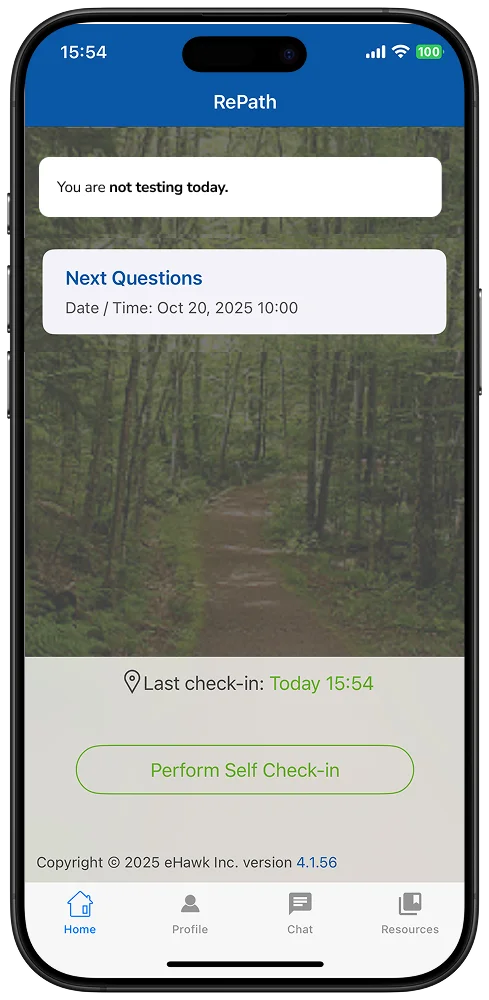
Two details kept it working. Case data from the state's system shows up in RePath within five minutes, so nobody types the same information twice. And people without a smartphone can report by email, so nobody gets left out of the program.
Run the same math at your agency
- Start with a few offices, not the whole agency.
- Count the tasks the platform takes off officers and put a time on each one.
- Project the rate across the agency. Don't just multiply the pilot total.
- Put the result next to your vacancy list before it goes anywhere near a budget request.
Your number will be different. Across our agencies, officers get 8 to 10 hours a week back, and where you land depends on your caseloads, your documentation standards and how many people actually use it. The ROI calculator gives you a first pass on your own numbers, and the full pilot is written up as a case study.
Read next
Want to see it on your caseload?
Book a 20-minute officer-hours call. We will show you the math on your numbers, not ours.
Book a Demo Run the ROI numbers